🧠 The Rise of Neuroaesthetics: How Art and Beauty Are Being Measured by Science
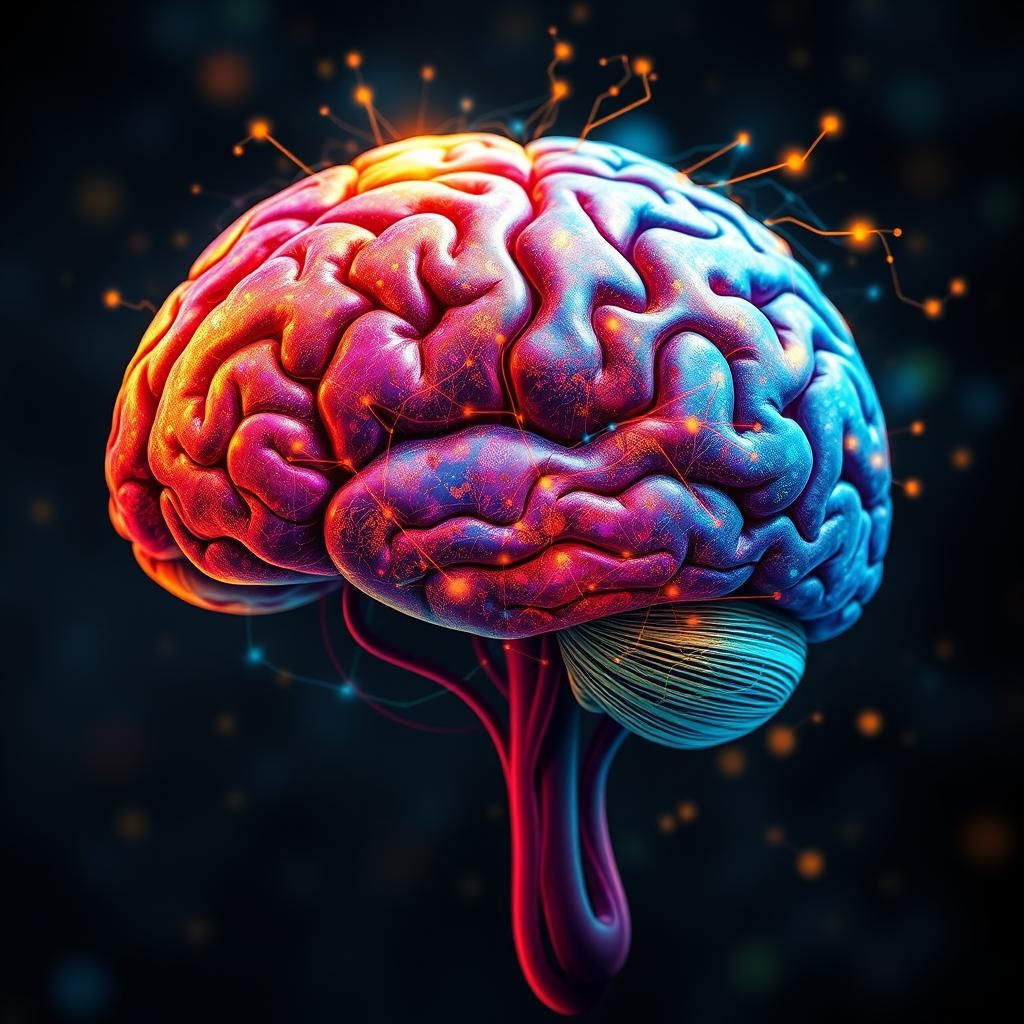
🧠 The Rise of Neuroaesthetics: How Art and Beauty Are Being Measured by Science
Introduction
Neuroaesthetics is an emerging interdisciplinary field combining neuroscience, psychology, and the arts to understand how our brains perceive and respond to beauty, art, and design. Using brain imaging techniques like fMRI and EEG, researchers are uncovering why certain visuals evoke strong emotional responses or pleasure. This knowledge is influencing marketing, architecture, and AI-generated art.
Advantages
- Scientific insight into aesthetics: Brain imaging reveals which neural circuits activate in response to artistic stimuli, decoding universal and subjective aspects of beauty.
- Enhanced design strategies: Marketers and UX/UI designers can craft visuals that are more emotionally engaging and memorable.
- Personalized experiences: Insights enable tailored content that resonates with individual preferences.
- AI creativity: Machine learning models trained on brain response data can generate art optimized for aesthetic appeal.
Best Practices
- Integrate neuroscience with design: Collaborate across disciplines to create experiences aligned with brain processing.
- Use brain data ethically: Prioritize user consent and privacy.
- Balance universal and cultural factors: Consider cultural context alongside universal preferences.
- Iterate with feedback: Combine neuroimaging data with traditional user testing.
Ethical Considerations
- Privacy concerns: Brain data is deeply personal; misuse could infringe on autonomy.
- Manipulation risks: Using insights to overly influence behavior raises ethical questions.
- Bias in AI: Training on limited data could reinforce stereotypes.
- Accessibility: Ensure designs are inclusive and do not alienate groups.
Conclusion
Neuroaesthetics is revolutionizing our understanding of how the brain perceives art and beauty. By decoding the neural basis of aesthetic experience, it shapes the future of design, marketing, architecture, and AI creativity. As technology advances, integrating neuroscience and aesthetics promises more engaging, personalized experiences—provided ethical considerations remain central.