Flying whales
Introduction
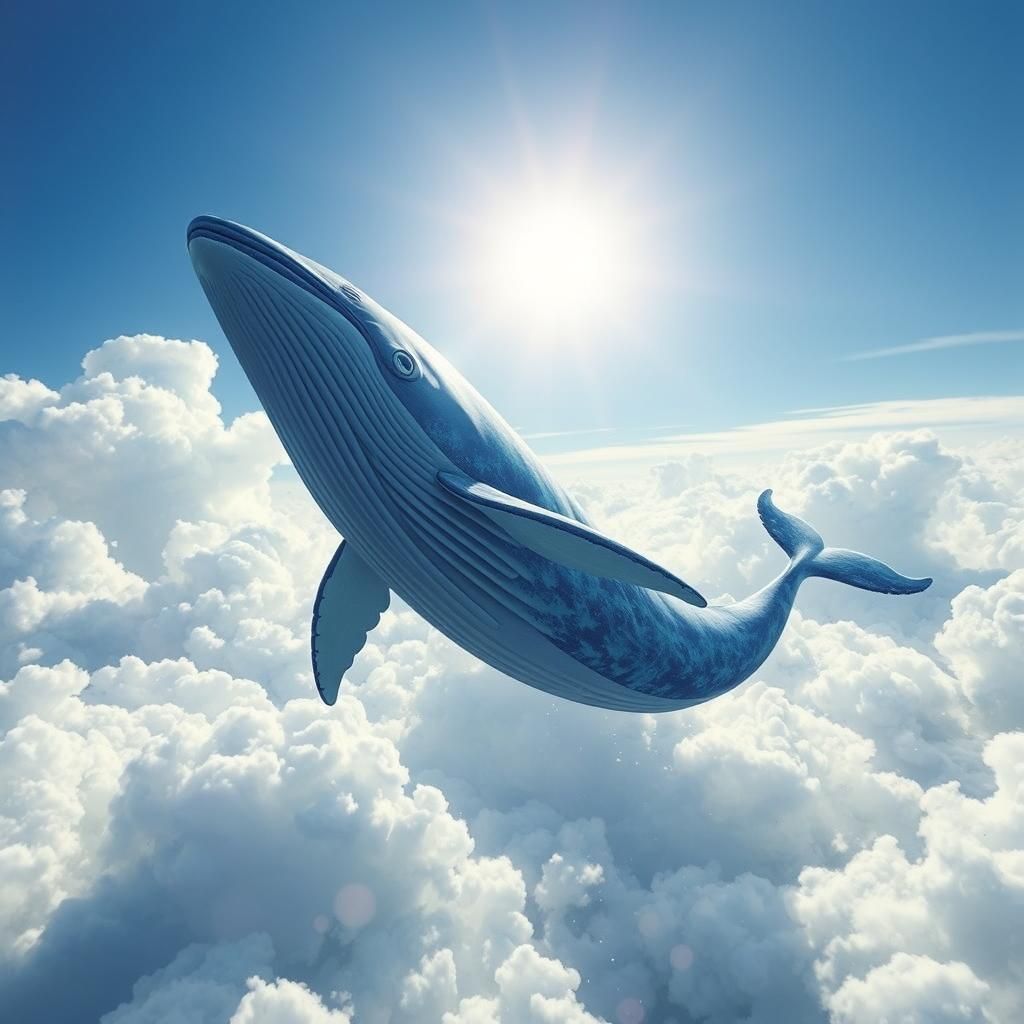
Throughout history, the idea of creatures soaring through the skies has fascinated humanity. Among these fantastical beings, flying whales stand out as a particularly majestic and awe-inspiring concept. Combining the immense size and grace of whales with the freedom of flight, they evoke a sense of wonder that transcends the boundaries of reality.
Flying whales have appeared in various forms of art, literature, and mythology. From ancient legends to modern fantasy novels and video games, these creatures symbolize the blending of the known natural world with the limitless possibilities of imagination. Their depiction often challenges our perceptions of nature and physics, inviting us to dream beyond the ordinary.
In this article, we delve into the origins of the flying whale mythos, explore its cultural significance, and examine how it continues to inspire creativity across different media. Whether as symbols of freedom, mystery, or environmental harmony, flying whales captivate audiences worldwide.
Advantages
Imagining flying whales offers numerous advantages for artists, writers, and creators. Their fantastical nature allows for limitless creative expression, enabling storytellers to craft unique worlds that defy conventional boundaries. The juxtaposition of a massive marine creature soaring effortlessly through the sky creates a striking visual and thematic contrast that can evoke powerful emotions.
In visual arts, flying whales can serve as stunning focal points in paintings, animations, and digital designs. Their presence often adds a sense of scale and grandeur, emphasizing the vastness of the imagined world. Additionally, their serene and majestic demeanor can convey themes of peace, freedom, and transcendence.
For writers, flying whales provide rich metaphorical material. They can symbolize the bridging of two worlds—sea and sky—or represent the breaking of limitations and the pursuit of dreams. Such symbolism resonates deeply with audiences, making stories more engaging and thought-provoking.
Moreover, incorporating flying whales into creative projects can foster environmental awareness. By blending elements of marine life with fantastical imagery, creators can highlight the beauty and fragility of real-world ecosystems, encouraging audiences to appreciate and protect them.
Best Practices
When integrating flying whales into creative works, it is important to balance imagination with thoughtful design. Start by researching real whale anatomy and behavior to ground your depiction in recognizable features. This foundation helps maintain a sense of believability, even within a fantastical context.
Consider the environment in which your flying whales exist. Are they soaring through alien skies, floating among clouds on Earth, or navigating magical realms? Defining their habitat will influence their appearance, movement, and interactions with other elements in your work.
Use dynamic compositions to emphasize their size and grace. In visual media, play with perspective and lighting to create a sense of depth and wonder. In storytelling, describe their movements vividly, capturing the fluidity of their flight and the emotions they evoke in observers.
Collaborate with experts or enthusiasts in marine biology, fantasy art, or storytelling to enrich your portrayal. Their insights can help you avoid clichés and develop a more nuanced and respectful representation of these majestic creatures.
Ethical Considerations
While flying whales are products of imagination, their depiction can carry ethical implications. It is important to respect the cultural significance of whales in various societies, where they may be revered as spiritual beings or symbols of natural harmony. Avoid appropriating or misrepresenting these cultural elements without proper understanding and sensitivity.
Additionally, be mindful of how your work influences perceptions of real whales and marine conservation. Romanticizing or trivializing their plight can undermine efforts to protect these endangered species. Instead, use your creative platform to raise awareness about environmental issues and promote respect for marine life.
When creating fantastical creatures, strive to balance artistic freedom with ethical responsibility. This approach not only enriches your work but also fosters a more informed and compassionate audience.
Conclusion
Flying whales embody the limitless potential of human imagination. They inspire awe through their majestic forms and the impossible beauty of their flight. By exploring this concept thoughtfully, creators can craft compelling works that resonate emotionally and intellectually.
Whether serving as symbols of freedom, bridges between worlds, or calls to environmental stewardship, flying whales continue to captivate and inspire. Their enduring appeal reminds us of the power of creativity to transcend reality and envision new possibilities.
As we dream of skies filled with these gentle giants, we are encouraged to look beyond the ordinary, cherish the wonders of our natural world, and imagine a future where fantasy and reality coexist in harmony.